The Power of Purposeful Practice
Building Confidence Through Repeated Practice
This term, our focus moves to the ‘Practise’ phase of the HPSC Instructional Model. Students strengthen their learning through purposeful opportunities to revisit, apply and refine new knowledge and skills. Our Priority Practices are Multiple Exposures, Scaffolding, Collaboration and Check Student Understanding.

Turning Practice into Progress
Practise is more than repeating the same task. Teachers provide varied opportunities for students to build fluency, use support when needed, learn with peers and demonstrate what they understand. Feedback and checks for understanding help teachers respond to students’ needs and build confidence towards greater independence.

Our Priority Practices explained:
| Multiple Exposures | Students revisit and apply learning in different ways over time. This strengthens understanding, builds fluency and supports long-term retention. |
| Scaffolding | Teachers break learning into manageable steps, model processes and provide prompts or examples. Support is gradually reduced as students gain confidence and independence. |
| Collaboration | Students work together to discuss ideas, explain their thinking and solve problems. Structured opportunities to practice together help develop skills and deepen understanding. |
| Check Student Understanding | Teachers regularly check student learning through questioning, qui ck responses and feedback. These checks help identify misconceptions, monitor progress and guide next steps. |
Practise in Action: Staff Voices
Our teachers create purposeful opportunities for students to practise, receive feedback and grow in confidence.
“This term, we’re moving into the Practise phase of our Instructional Model. It’s where students get to have a go, build confidence, make mistakes and keep improving. Effective practice isn’t just about doing more, it’s about practising with purpose. Our Year 7 Humanities class has been practising including evidence in their writing. In this ‘Practise’ task, they were analysing their live model of the water cycle as a source of evidence. It was exciting to see precipitation happen right before our eyes.”
— Kylie Hanna (Humanities Teacher)
“The Practise phase gives students time to revisit learning, apply new skills, receive feedback and build confidence. Try. Feedback. Improve. Repeat. That’s how learning sticks at HPSC.”
— Iden Cooper (H/PE Teacher)
Our Instructional Model continues to shape the way we teach and learn, ensuring every student benefits from a consistent, engaging and high-quality learning experience.


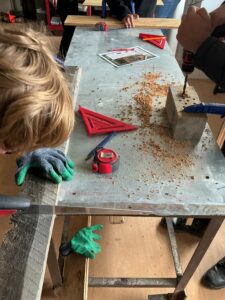
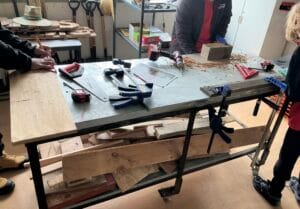
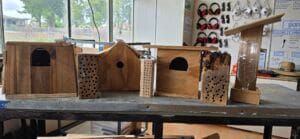
This term in Hands on Learning, students have been getting creative with some exciting new projects to support our school gardens. We have designed and built our own birdhouses and bird feeders and have also begun work on a big bug hotel! These projects are all about encouraging the helpful bugs and wildlife that will support the growth and health of our gardens. Along the way, students have continued to develop their practical skills, problem-solving and teamwork while taking pride in creating something meaningful. These projects are just a few small steps towards supporting the fantastic work happening in the Empower Girls Garden, and we look forward to working together on some bigger collaborative projects in the future.
Beyond our projects, we have also been enjoying some delicious lunches together, with plenty of yummy, healthy wraps making an appearance as the weather warms up. Lunchtime has also been a great opportunity to play games, share plenty of interesting conversations and continue building positive relationships within our groups. These everyday moments are an important part of what makes HoL special, helping us strengthen connections and create a place where everyone feels they belong.